
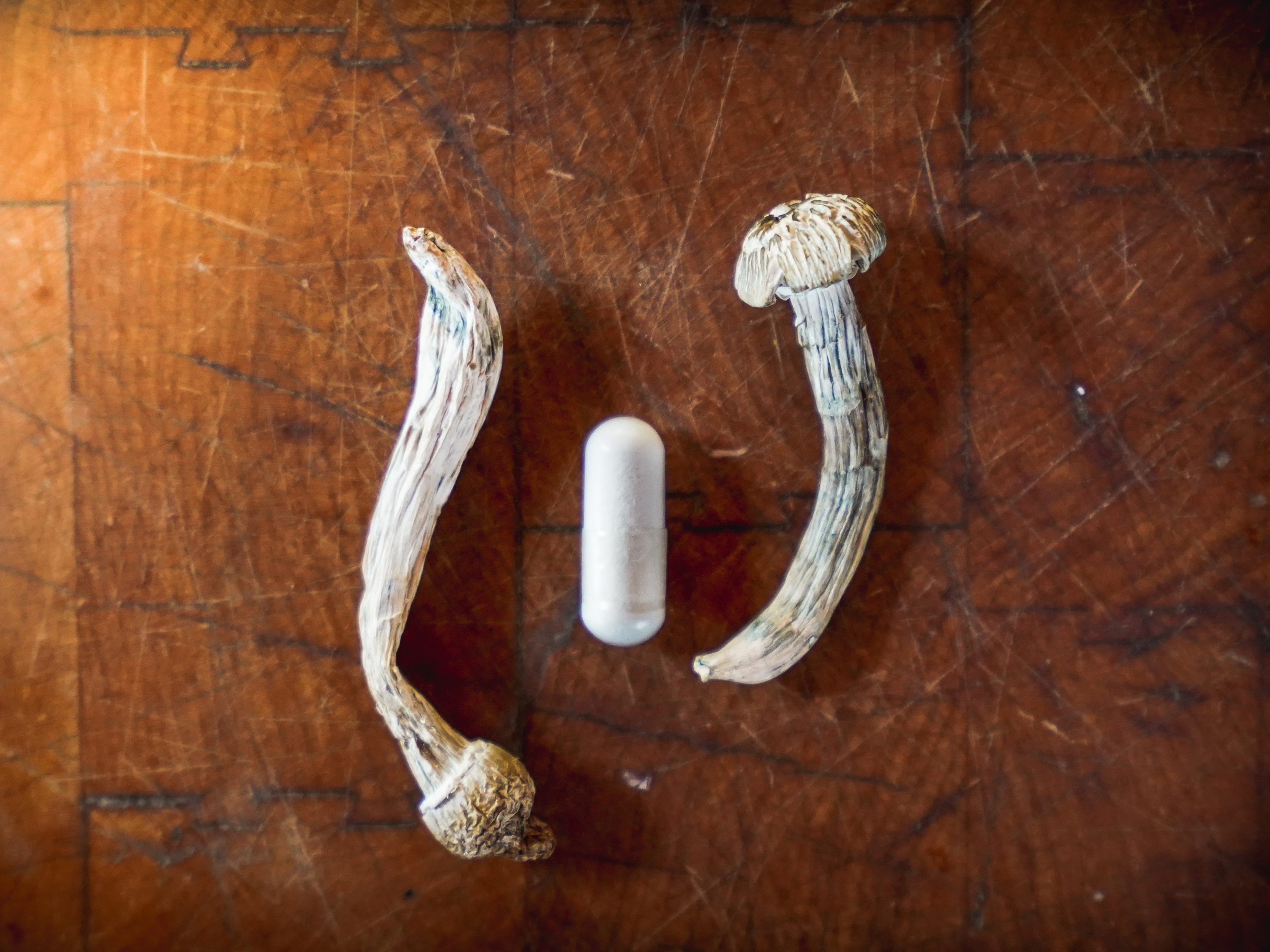
Microdosing mushrooms has become more than a trend. It’s a modern ritual for those seeking clarity, calm, and connection in everyday life. But what does microdosing actually mean? And how does it work?
In this article, we’ll break down the basics so you can explore with confidence and curiosity.
What Is Microdosing?
Microdosing is the practice of taking very small, sub-perceptual amounts of certain mushrooms to subtly support mental, emotional, and energetic wellbeing. The goal isn’t to feel “high” or altered, it’s to create a gentle shift in your internal landscape that enhances your experience of the world.
At Wild Mind, we like to think of microdosing as a way to return to yourself . More present, more grounded, more open.
Why Do People Microdose?
People choose to microdose for many reasons, including:
- Improved focus + productivity
- Reduced stress + emotional overwhelm
- Increased creativity and flow
- A deeper sense of connection to self, others, and nature
- Support during transitions, healing, or growth periods
Every person’s experience is unique, but the common thread is a desire to live more consciously with intention, softness, and presence.
How Does It Work?
Microdosing works by gently interacting with the body’s natural chemistry, specifically the brain’s serotonin system.
The active compound found in certain mushrooms, often referenced in scientific studies, is known to engage the 5-HT2A serotonin receptor. This receptor plays a key role in regulating mood, cognition, and perception. While full doses of these mushrooms can induce powerful altered states, microdoses remain sub-perceptual, meaning you won’t “trip.” Instead, you may feel a subtle lift in clarity, presence, and emotional ease.
But there’s more happening beneath the surface.
The Science of Microdosing
Recent research shows that these compounds influence a part of the brain known as the default mode network (DMN), a system associated with self-referential thinking, rumination, and habitual mental patterns. An overactive DMN is often linked to symptoms of anxiety, depression, and disconnection.
Microdosing may reduce activity in this network, leading to a quieter internal monologue and greater capacity to be in the present moment.
This is why many people report:
- Feeling less emotionally reactive
- Experiencing more creativity and mental flexibility
- A sense of expanded awareness and connection
In fact, fMRI scans have shown that even small doses of these compounds may increase connectivity between previously disconnected regions of the brain, essentially encouraging the brain to communicate in new ways.
Mind + Body Benefits
While the neurological shifts are compelling, the benefits often extend beyond the brain. Many microdosers report improvements in:
- Sleep quality and circadian rhythm regulation
- Energy levels and reduced fatigue
- Nervous system regulation (including reduced stress response)
- A renewed sense of embodiment (feeling more connected to one’s physical body and senses)
It’s important to note: results vary person to person, and microdosing is not a cure or quick fix. It’s a tool, one that, when paired with intention and mindfulness, can support profound change over time.
How to Start Microdosing
- Choose your product – Start with a single strain like MVP or a blend that aligns with your goals.
- Set your intention – Microdosing works best when paired with reflection and mindfulness.
- Track your experience – Journaling or noting shifts in mood, energy, or focus can help you understand what works best for you.
Need Help Choosing?
Take our Product Recommendation Quiz to discover which strain or blend best suits your needs.
Microdosing isn’t a magic fix, it’s a tool. A practice. A way to build a more meaningful connection with your own inner landscape. And we’re here to support every step of that journey.